
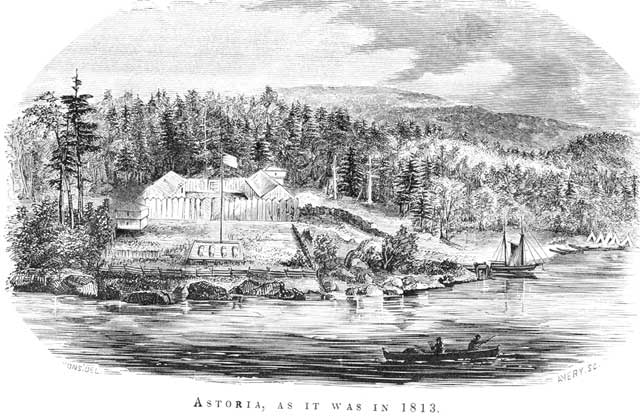
Today I’m going to tell you a little story about John Day of Oregon. The reason why anyone even really knows about John Day is because of Washington Irving, US Diplomat and author of the super spooky Sleepy Hollow. He wrote a book called Astoria: Anecdotes of an Enterprise beyond the Rocky Mountains. It was published in 1836 and was the first glance for most Americans into the Oregon Country. Irving had never actually been to Oregon Country, but was asked by John Jacob Astor to write a book about the Pacific Northwest. The book’s original intention was to praise Astor’s Pacific Fur Company, and although Astor’s company didn’t last forever, it was the first fur trading company on the pacific coast of the US. It’s crazy what you can do when your net worth is $20 million. In today’s dollars, that’s about $650 million.
Astoria became a success! Between the time it was published in 1835 and Irving’s death in 1859, more than 25 editions were released in English, French, Dutch, and German. It had it all-romance, adventure, enterprise. Folks around the world finally had the opportunity to learn about the industrious men and women who were expanding the country in the interest of the xenophobic American Government. One particular fur trapper, hunter, and farmer captured the hearts of readers: Mr. John Day.
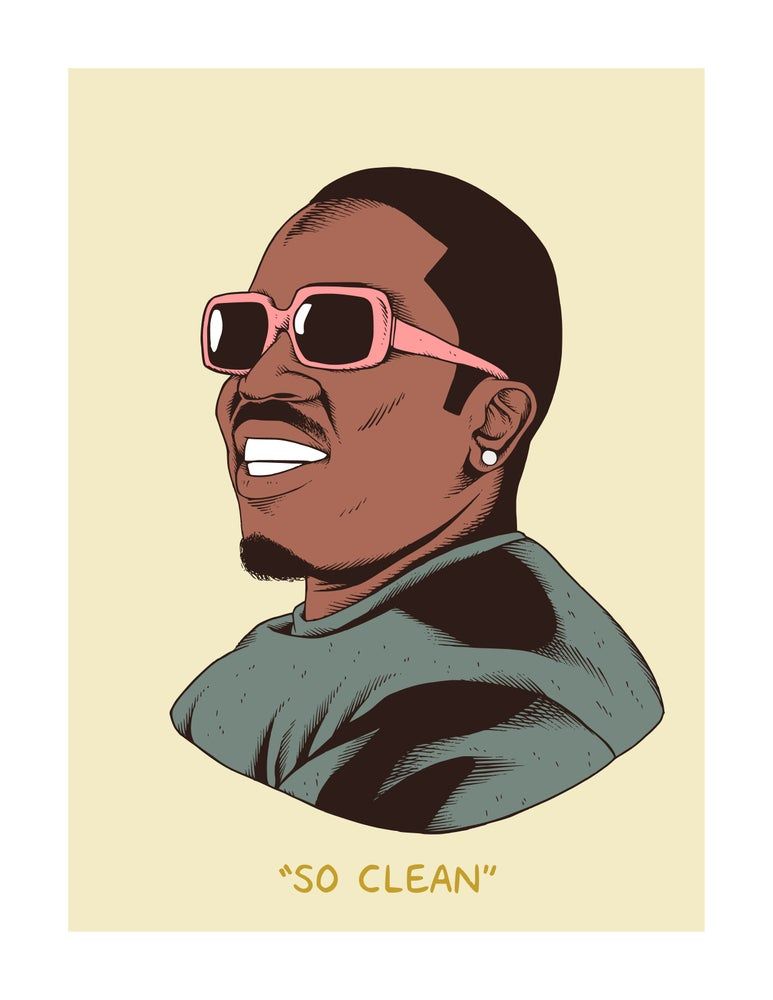
Despite not much really being known about John Day or his time in the Oregon Country, his name appears on “more Oregon geographic features, towns, institutions, and structures than any other person from the fur trade era.” I couldn’t find a single illustration of him which was disappointing. But Irving did describe him as having a “handsome, open, manly countenance,” and having “an elastic step as if he trod on springs.” Which is a way cooler way of saying “he had a spring in his step.” I made this portrait on Microsoft Paint to give you guys an idea of what I’m imagining:

You Do What You Do to Get By
Day was born in Virginia around 1770, and over the course of his life continued to move west, first to Kentucky and then to Missouri. He was granted two land concessions by the Spanish Government, adding up to 800 acres. He trapped, hunted, and farmed for a living; eventually even starting his own saltpeter mining operation. This was all around the turn of the 18th century.
By all accounts (which are few, and really just from the Irving book), he was doing pretty well. No wife or children to speak of, but he plowed the land. He worked hard. He made an honest living. Maybe he wasn’t doing all too well or perhaps he sought adventure or refuge from whatever life’s hardships had been handed to them, but he decided to join the Pacific Fur Company’s expedition to Fort Astoria on the coast of Oregon. He made it to Idaho before falling ill, and was left behind by his expedition. But two years later, Day and another man called Ramsay Crooks made it to Oregon Country. It’s a pity that there were not more first hand accounts of this time, because I’m so curious what spurred him on to continue the journey despite being left behind. Maybe it was his pride or integrity that was injured by their abandonment. Whatever it was, Day continued his endeavors in the trapping business.
In April of 1812, Day and Crooks were finally at the mouth of a river that flowed into the Columbia. They were getting close! But they were ambushed by a group of Native Americans who stripped them of their clothes and weapons and left them to the elements. Employees of the Pacific Fur Company had murdered one of their tribesmen, so they sought retaliation.
A few days later they were found and rescued by employees of the very company that abandoned them all those years ago. Day was rewarded for his patience when employees named the river where they were found the John Day River. That’s right, the John Day River was named for him only after suffering a humiliating blow there, which proved to be the beginning of a significant redemption arc for Day. Still, I can’t help but think that Ramsay Crooks River has a better ring to it. But, as someone who’s never even named one geographic feature in her life, I digress.
Looking Out for Number One
Now, we get to my favorite part of the John Day story, and where the idea of him being a punk came from. He isn’t punk in the sense that he fought for the rights of people against facism, tyranny, oppression, or authoritarianism; but in the sense of the second of three definitions for “punk” in the Merriam Webster dictionary: “very poor, inferior.” In other words, he was just kind of sheisty.
Two weeks after he and Crooks were rescued and recovered from their (super embarrassing) incident at the newly named John Day River, he decided to join Robert Stuart’s famous expedition from Astoria to St. Louis in late June of 1812. Stuart is pretty well known in his own right. He was a partner in the Pacific Fur Company and the dude who found the most important pass over the Continental Divide on the Oregon Trail in Wyoming.
About two weeks into the expedition, Day had basically lost his shit. He was rambling, acting suicidal, and was deemed to be dangerous. Maybe he had just mentally broken following the whole incident of, you know, being abandoned by your entire crew then bushwhacking through the wilderness for two years just to be stripped naked by a group of Native Americans who were getting back at the very same company that literally abandoned you, but Stuart ultimately decided to pay a Cathlapotle chief to bring Day back to Astoria. Along with Day, Stuart sent note to be delivered to officials at Fort Astoria: he had “a doubt of the reality of his madness, whether it was not pretended as an excuse from performing the Journey.”
By August, Day was back in Astoria and not acting crazy at all. Perfectly normal in fact. When pressed on this matter, he admitted that he had been so abused by some guy named Robert McClellan that it actually did make him crazy. He followed that up by saying maybe he didn’t go, like, literally crazy, but just figuratively crazy. He stated that maybe he wasn’t actually crazy but he “gave way to passion” and “exposed some certain facts and gave his mind freely, on which they endeavoured to persuade him he was crazy.” Sounds like what happens when you’re being mansplained to, amirite ladies?
Despite this incident, he continued to work for the Pacific Fur Company through the fall of 1812 when it was sold to the North West Company. Day was able to stay on as an independent trapper. During his tenure with the Company he trapped in the Willamette Valley, southern Idaho, northern Utah, and the Snake River Country. His movements are largely undocumented between 1814 and 1819, but his death was finally recorded by North West Company expedition leader Donald Mackenzie on February 16, 1820. Despite not really accomplishing anything in the areas or even visiting some of the places named for him, John Day has two rivers, two cities, a river basin, a dam, a National Monument, and a rock strata named after him.
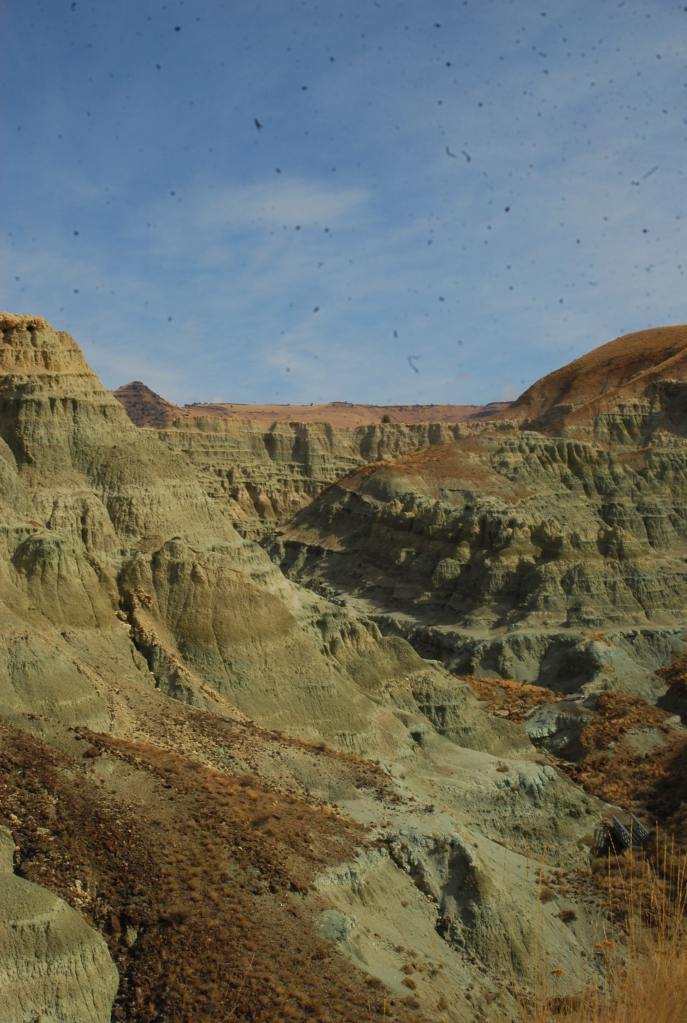
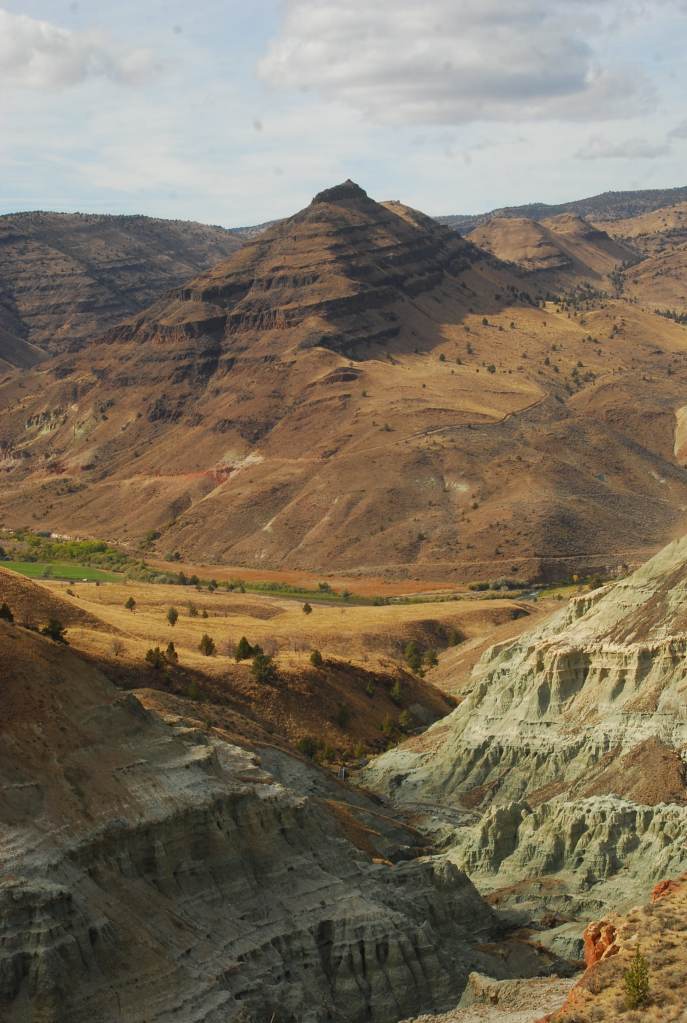
John Day must have been a resilient, talented trapper and hunter who maneuvered his way in and out of employments that suited him. He probably feigned mental illness to get out of working with a bunch of assholes, all the while staying employed with the company. Meanwhile, I can’t even fake a cold without being asked for a doctor’s note by most of my employers. He seems like a crafty guy, working the system always in his favor. Although he was a bit of shit, he was able to keep himself employed and lives forever in the memories of Oregonians by somehow getting his name on just about everything. And although I do like to highlight the anti-authoritarian badasses who fight against oppression, you gotta give this guy some credit and an accolade as a Great Punk in History
 Punk Prana